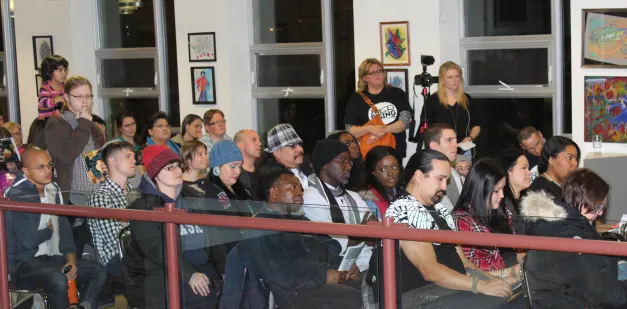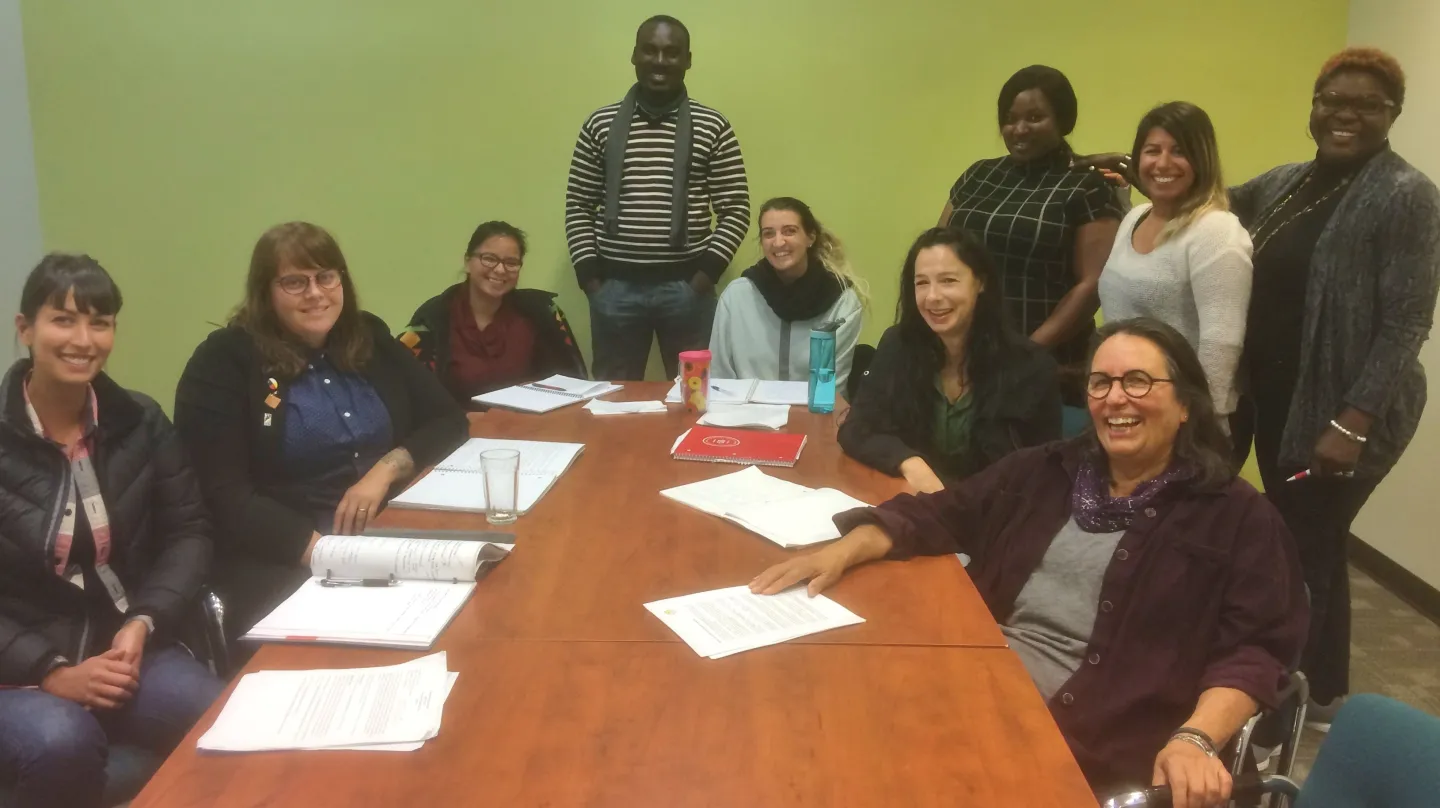
The following concepts could be reflected in the design of a revitalized Neechi Commons. (The accompanying photos were taken at the original Neechi Commons.)
(1) Indigenous Education and Training Centre
Culturally sensitive education for Manitoba’s Indigenous population is an essential part of redressing historical circumstances. While existing academic institutions are accommodating many Indigenous youth, there is clearly a need for culturally appropriate instruction and hands-on opportunities to apply new learning. Collaboration with existing educational and community institutions is also important. Community-based extensions of existing educational programs would make them more accessible to students, both young and adult.
(2) Indigenous Arts Centre
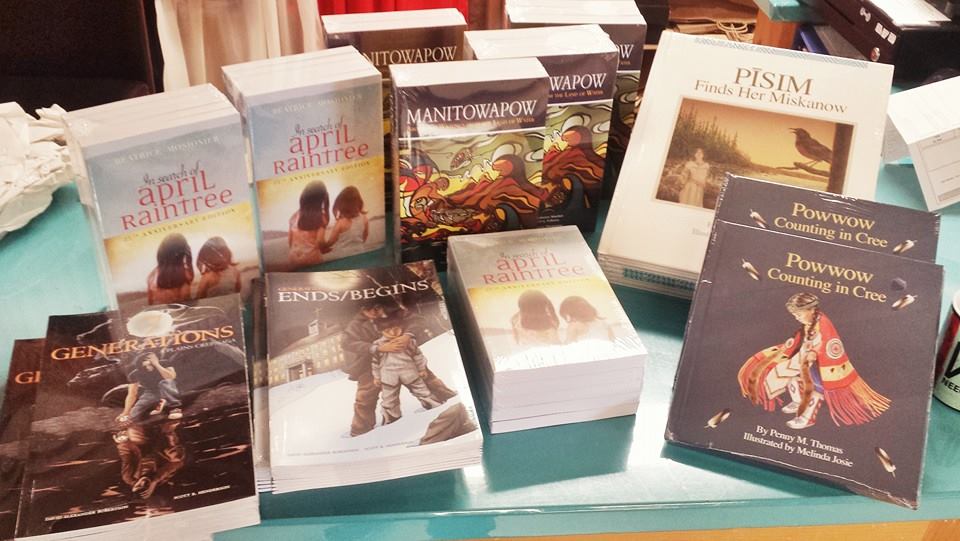
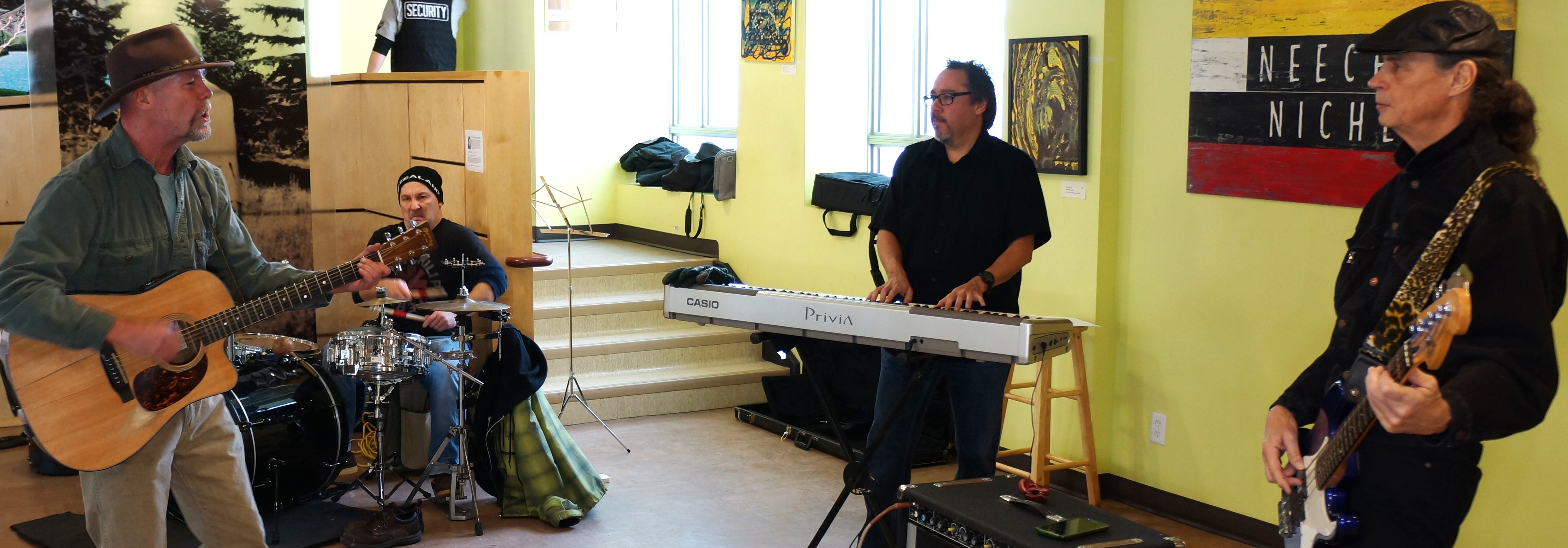
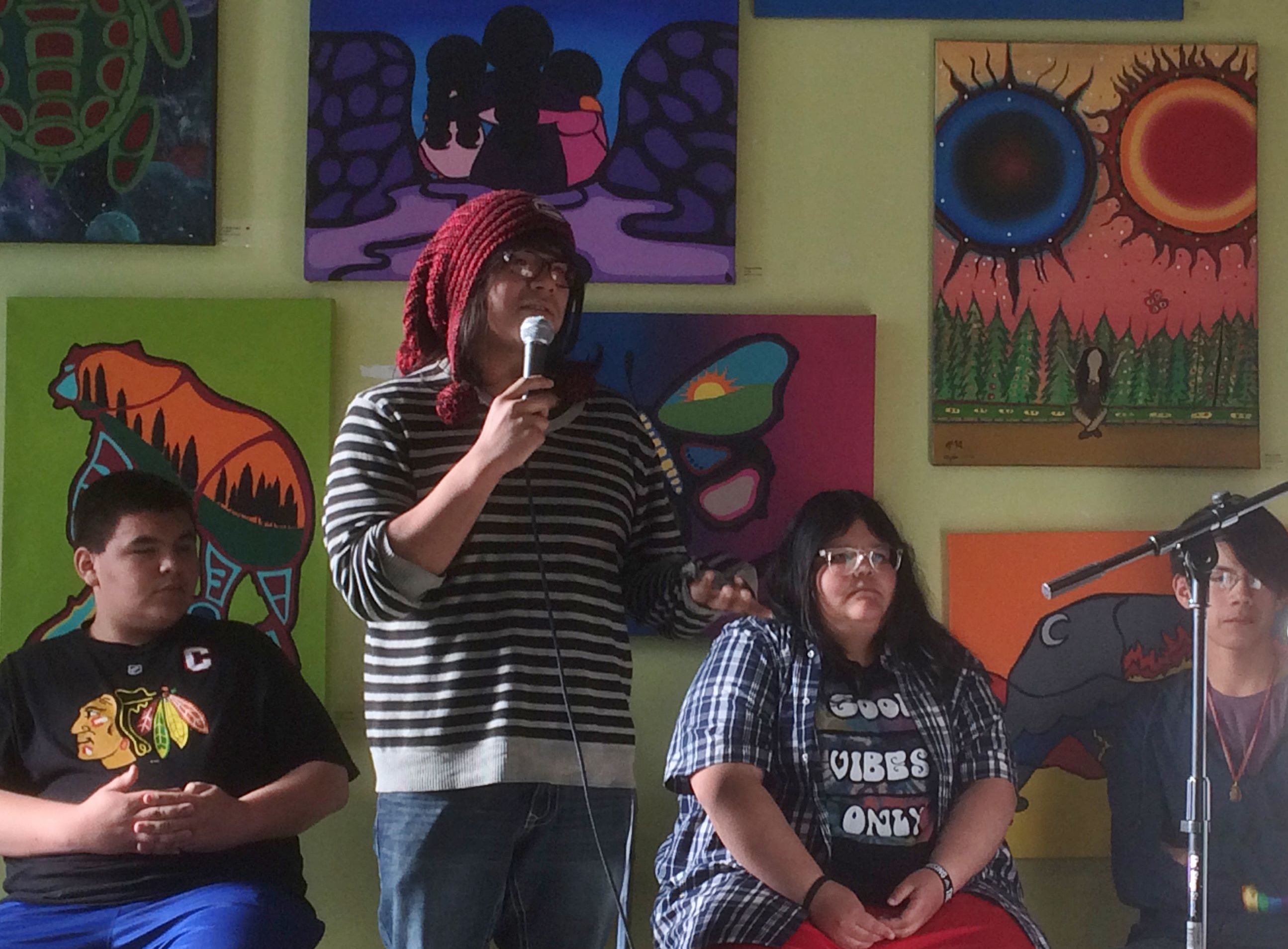
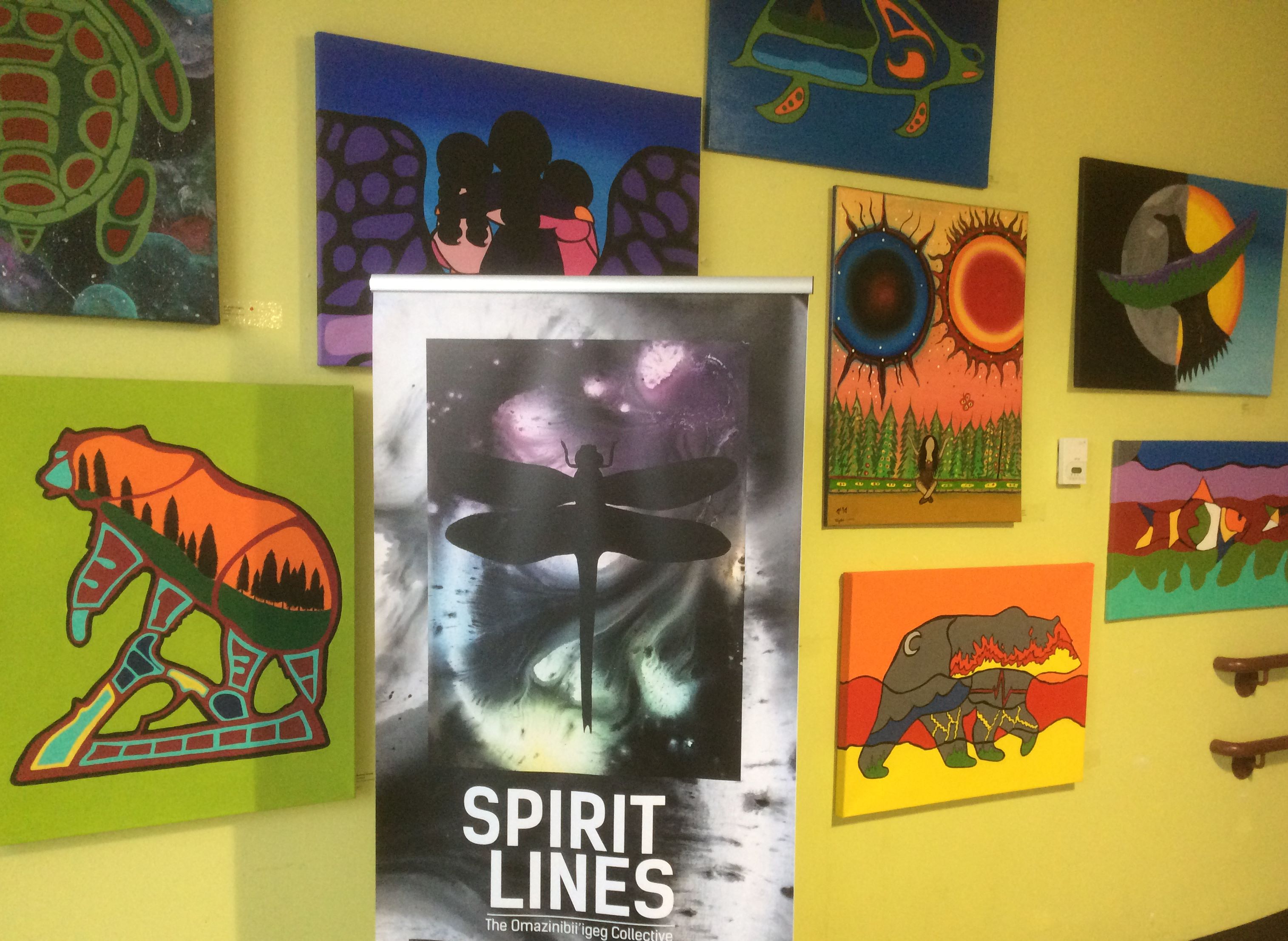
Previously, the Neechi Niche art store and its creative arts programming provided concrete proof of a strong demand for an Indigenous arts centre. This includes fine arts, painting, crafts, theatre, musical performances, book launches, story telling, poetry, an art gallery, display cases for donated heirloom artifacts and traditional foods. Instruction, complete with resident artists, could be provided for artistic painting, bead work, and writing. The centre could include both private and not-for-profit endeavours while supporting the livelihoods of hundreds of Indigenous artisans. Inter-action with neighbourhood schools would be a natural fit.


(3) Regional Healthy Foods Hub
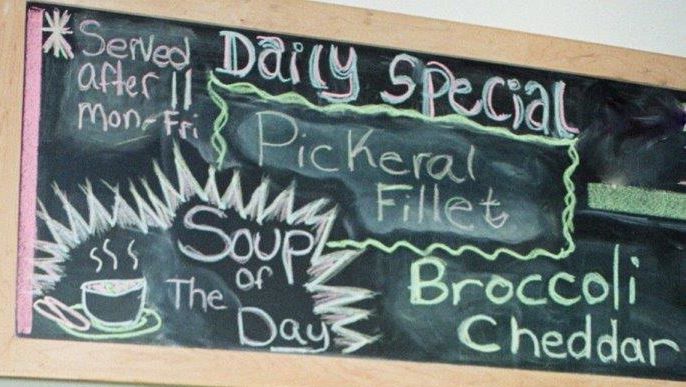
The former Neechi Commons demonstrated a strong demand for Indigenous speciality foods, such as wild blueberries, wild rice, fish, bison, elk and bannock. A new Neechi Commons might include a facility focused on developing, promoting, marketing and serving healthy, locally-produced foods.


(4) Community Healing Centre
The current meth and opioid crisis demands street level programming to address addictions and sustainable recovery needs. The Neechi Common site could house some preventative and restorative options, such as health education, parenting skills counselling, addiction stabilisation and peer support. In the past there has been discussion of having a satellite administrative office for an Indigenous health program at the Commons.
(5) Young People’s Enrichment Hub
There is a great need for customized programs that help to instil self-confidence and pride among both younger children and youth. This could include quality daycare, peer tutoring, elder engagement and Indigenous languages. It also could offer a program where high school students mentor elementary school students in a mutually beneficial way, as in the highly successful ‘Rec and Read’ programs initiated by the University of Manitoba’s Faculty of Kinesiology and Recreation Management.
(6) North-end Community Centre
Citizens thrive when they are able to meet in safe and healthy environments to socialize, exercise and collectively address common issues. The employment and neighbourhood revitalization impact of a renewed Neechi Commons would enhance the public profile of Indigenous training and employment support programs.